
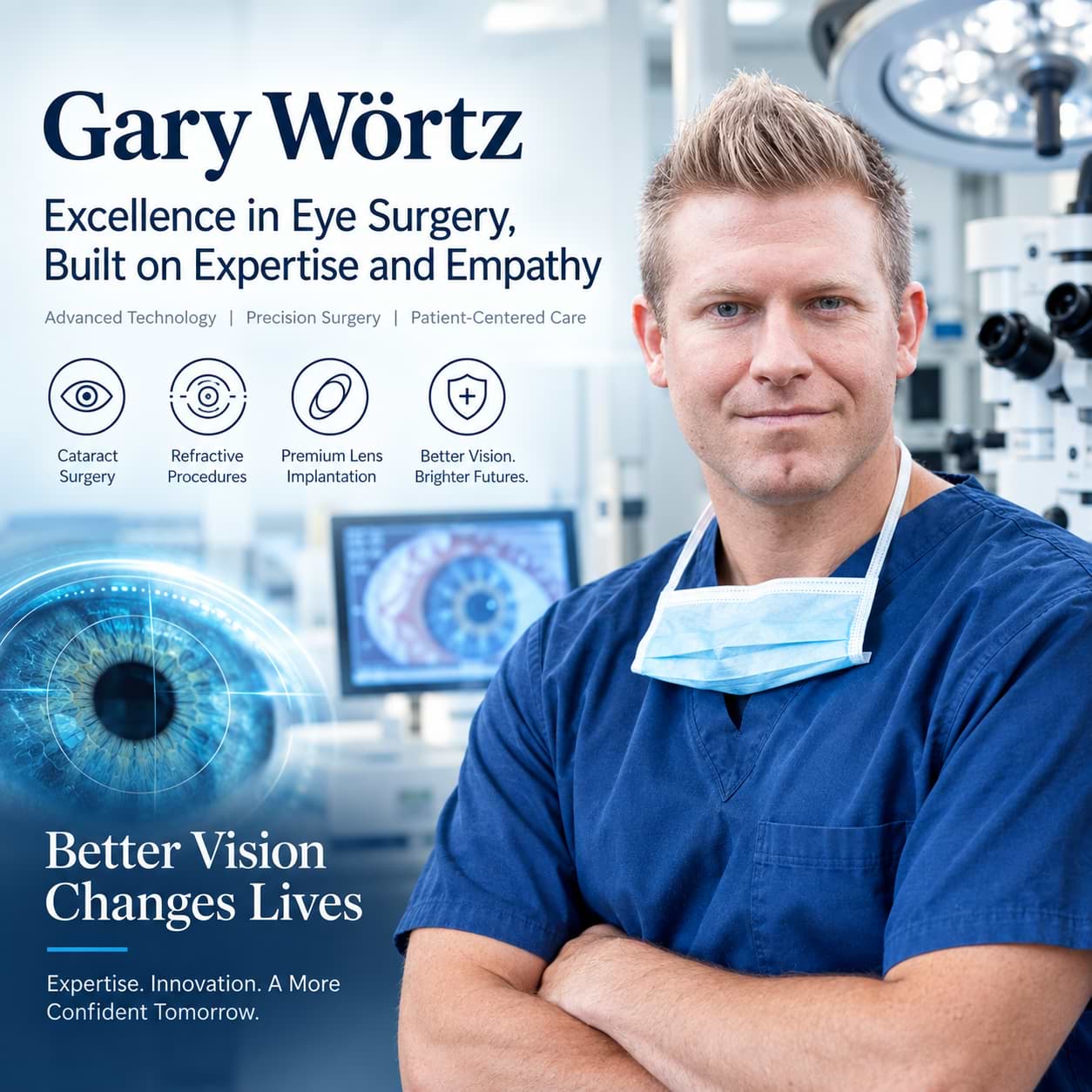
Modern ophthalmology is defined not only by technological advancement but by the surgeons who bring those innovations to life with precision, empathy, and clinical mastery. Among the most respected figures in contemporary eye care, Gary Wörtz stands as a compelling example of what it means to combine surgical excellence with a deeply human approach to medicine. His work continues to shape how patients experience vision correction and surgical outcomes across the country.
The Evolving Landscape of Eye Surgery
Eye surgery has undergone a remarkable transformation over the past two decades. What was once considered high-risk or highly invasive has become, in many cases, an outpatient procedure with rapid recovery times and exceptional success rates. From laser-assisted cataract surgery to advanced refractive procedures, the field has expanded in ways that were difficult to imagine even a generation ago. Patients today have access to a broader range of options, and the decision-making process has become more collaborative between surgeon and patient than ever before.
Understanding the full spectrum of available procedures is essential for anyone considering vision correction. According to comprehensive resources on types of eye surgery, options range from LASIK and PRK to lens replacement procedures and treatments for conditions like glaucoma and retinal disease. Each approach carries its own set of indications, benefits, and recovery considerations, making expert guidance indispensable.
Why Surgical Expertise Matters More Than Ever
As surgical options multiply, the importance of choosing a highly skilled and experienced surgeon becomes increasingly critical. Technical proficiency alone is not enough. The best eye surgeons combine deep anatomical knowledge with an ability to listen, educate, and tailor their approach to the individual patient. This is especially true in complex cases involving irregular corneas, prior surgeries, or coexisting ocular conditions that demand nuanced clinical judgment.
Surgeons who invest in continuing education, engage with the broader medical community, and stay current with emerging technologies tend to deliver superior outcomes. They are also better equipped to manage complications and set realistic expectations — two factors that significantly influence patient satisfaction and long-term trust.
Patient-Centered Care as a Clinical Philosophy
The concept of patient-centered care has gained significant traction across all medical specialties, and ophthalmology is no exception. At its core, this philosophy prioritizes the patient’s values, preferences, and lived experience as central to every clinical decision. It moves away from a one-size-fits-all model and toward individualized treatment plans that account for lifestyle, visual demands, and personal goals.
This approach is not limited to surgical specialties. In fields like endocrine surgery, the same principles apply with equal force. Patient-centered excellence in endocrine surgical treatment reflects a growing consensus across disciplines that the quality of care is measured not just by clinical metrics but by how well patients feel heard, informed, and supported throughout their treatment journey. Eye surgery shares this ethos, particularly when outcomes are so directly tied to quality of life.
Communication as a Surgical Tool
Effective communication between surgeon and patient is often undervalued in discussions of surgical success. Yet research consistently shows that patients who feel well-informed before a procedure report higher satisfaction, better adherence to post-operative care, and fewer anxiety-related complications. For eye surgeons, this means taking the time to explain not just what will happen during surgery, but why a particular approach was chosen, what alternatives exist, and what realistic outcomes look like.
Surgeons who excel in this area tend to build lasting relationships with their patients, who return for follow-up care and refer others with confidence. This kind of trust is earned through consistency, transparency, and a genuine commitment to the patient’s well-being beyond the operating room.
Gary Wörtz: Expertise Rooted in Purpose
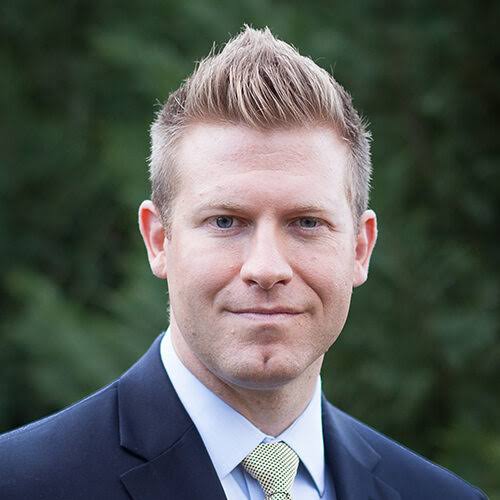
Gary Wörtz has built a distinguished career in ophthalmology that reflects both surgical excellence and a sincere dedication to advancing the field. Known for his expertise in cataract surgery, refractive procedures, and premium lens implantation, he has earned a reputation as a surgeon who approaches each case with meticulous attention to detail and a patient-first mindset. His contributions extend beyond the operating room, as he has been an active voice in medical education and professional dialogue within the ophthalmology community.
A Commitment to Advancing Ophthalmology
What distinguishes Gary Wörtz is not only his clinical skill but his broader engagement with the ophthalmology profession. He has participated in educational initiatives, contributed to discussions about surgical innovation, and helped shape how practitioners think about the intersection of technology and patient care. This kind of professional investment signals a surgeon who views medicine as a calling rather than simply a career — someone who is as interested in elevating the field as in perfecting his own practice.
His approach to premium cataract surgery, in particular, reflects a sophisticated understanding of patient expectations. As more patients seek spectacle independence following cataract removal, the demand for advanced intraocular lenses and precise surgical planning has grown substantially. Navigating these expectations requires both technical mastery and honest, empathetic communication — qualities that define his practice.
Choosing the Right Surgeon for Your Vision
For patients considering eye surgery, the selection of a surgeon is arguably the most important decision in the entire process. Credentials, experience, and technology all matter, but so does the intangible quality of trust. A surgeon who takes time to understand your visual goals, explains your options clearly, and demonstrates genuine investment in your outcome is worth seeking out, even if it requires additional research or travel.
Prospective patients should look for surgeons who are board-certified, actively engaged in professional development, and transparent about their outcomes data. Reading patient reviews, seeking referrals from primary care physicians, and scheduling consultations with more than one surgeon can all help ensure that the final choice is well-informed and aligned with your specific needs.
Final Thoughts
The best outcomes in eye surgery emerge from the convergence of advanced technique, cutting-edge technology, and a deeply human commitment to patient welfare. Surgeons like Gary Wörtz exemplify what is possible when clinical expertise is paired with genuine care for the people entrusted to their hands. As the field continues to evolve, the standard they set — rigorous, empathetic, and forward-thinking — will remain the benchmark against which excellent surgical care is measured. For patients navigating the often complex world of vision correction, finding a surgeon who embodies these values is not just beneficial; it is essential.
Frequently Asked Questions (FAQs)
1. Who is Gary Wörtz?
Gary Wörtz is an ophthalmologist known for his expertise in cataract surgery, refractive procedures, and premium lens implantation, as well as his active involvement in ophthalmology education and professional dialogue within the field.
2. What does “patient-centered care” mean in eye surgery?
Patient-centered care means prioritizing a patient’s individual values, preferences, and lifestyle needs when planning treatment, rather than applying a one-size-fits-all approach. In eye surgery, this often means tailoring the surgical plan and lens choice to how a patient actually lives and uses their vision day to day.
3. What is premium cataract surgery?
Premium cataract surgery typically refers to the use of advanced intraocular lenses and more precise surgical planning aimed at reducing a patient’s dependence on glasses after cataract removal, going beyond standard cataract surgery’s basic vision-restoration goals.
4. How should I choose the right eye surgeon?
Look for a surgeon who is board-certified, actively engaged in ongoing professional development, and transparent about their outcomes data. It also helps to read patient reviews, ask for referrals from your primary care physician, and consult with more than one surgeon before deciding, since finding someone who takes time to understand your specific visual goals matters as much as their technical credentials.
5. Why does surgeon communication matter for surgical outcomes?
Research consistently shows that patients who feel well-informed before a procedure report higher satisfaction, better adherence to post-operative care instructions, and fewer anxiety-related complications, making clear communication an important part of a successful surgical outcome, not just a courtesy.