
Living with eczema can be challenging, affecting both physical comfort and emotional well-being. Persistent dryness, redness, and itching often interfere with daily activities and sleep, making it difficult to feel confident in one’s own skin. While eczema cannot be permanently cured, effective management and personalized care from a dermatologist can significantly improve symptoms and quality of life. Understanding the condition, available treatments, and lifestyle considerations is key to achieving healthier, more balanced skin.
Understanding Eczema and Its Causes
Eczema is a chronic skin condition that disrupts the skin’s protective barrier, leading to moisture loss and increased sensitivity to irritants. Genetics, immune system dysfunction, and environmental factors all contribute to its development. Individuals with eczema often have a family history of allergic conditions such as asthma or hay fever.
Seeking care from an eczema dermatologist Singapore offers ensures access to specialized expertise in managing this condition. Dermatologists can evaluate the type and severity of eczema, identify triggers, and create a tailored treatment plan that addresses both symptoms and underlying causes. Personalized care helps patients achieve better control and minimize flare-ups.
How Eczema Affects Daily Life
The impact of eczema extends beyond physical discomfort. Red, itchy, and inflamed skin can interfere with sleep, concentration, and overall well-being. Frequent scratching may worsen inflammation and increase the risk of infection. Children often develop eczema on the face, neck, and limbs, while adults may experience it on the hands, elbows, knees, or eyelids.
Living with eczema can also affect confidence and social interactions, as visible symptoms may cause self-consciousness. Understanding how eczema impacts daily life helps patients and dermatologists create comprehensive management strategies that focus on both physical and emotional health.
Types of Eczema
There are several forms of eczema, each with unique characteristics:
- Atopic Dermatitis – The most common type, often appearing in childhood, is associated with a family history of allergies.
- Contact Dermatitis – Triggered by exposure to irritants or allergens such as soaps, fragrances, or metals.
- Dyshidrotic Eczema – Causes small, itchy blisters on the hands and feet, often linked to stress or seasonal changes.
- Nummular Eczema – Presents as round, coin-shaped patches that can be scaly and itchy.
- Seborrheic Dermatitis – Affects oily areas such as the scalp and face, sometimes mistaken for dandruff or acne.
Identifying the exact type of eczema is essential for targeted treatment and effective symptom control.
How Dermatologists Diagnose Eczema
A proper diagnosis begins with a detailed consultation and examination. Dermatologists assess the skin’s condition, review medical history, and ask about lifestyle and triggers. In some cases, allergy testing or patch tests may be conducted to identify specific irritants.
Understanding the patient’s skin sensitivity, moisture levels, and past treatment responses allows the dermatologist to develop a personalized care plan. This tailored approach ensures that treatments address both visible symptoms and the underlying causes of eczema.
Treatment Options for Eczema-Prone Skin
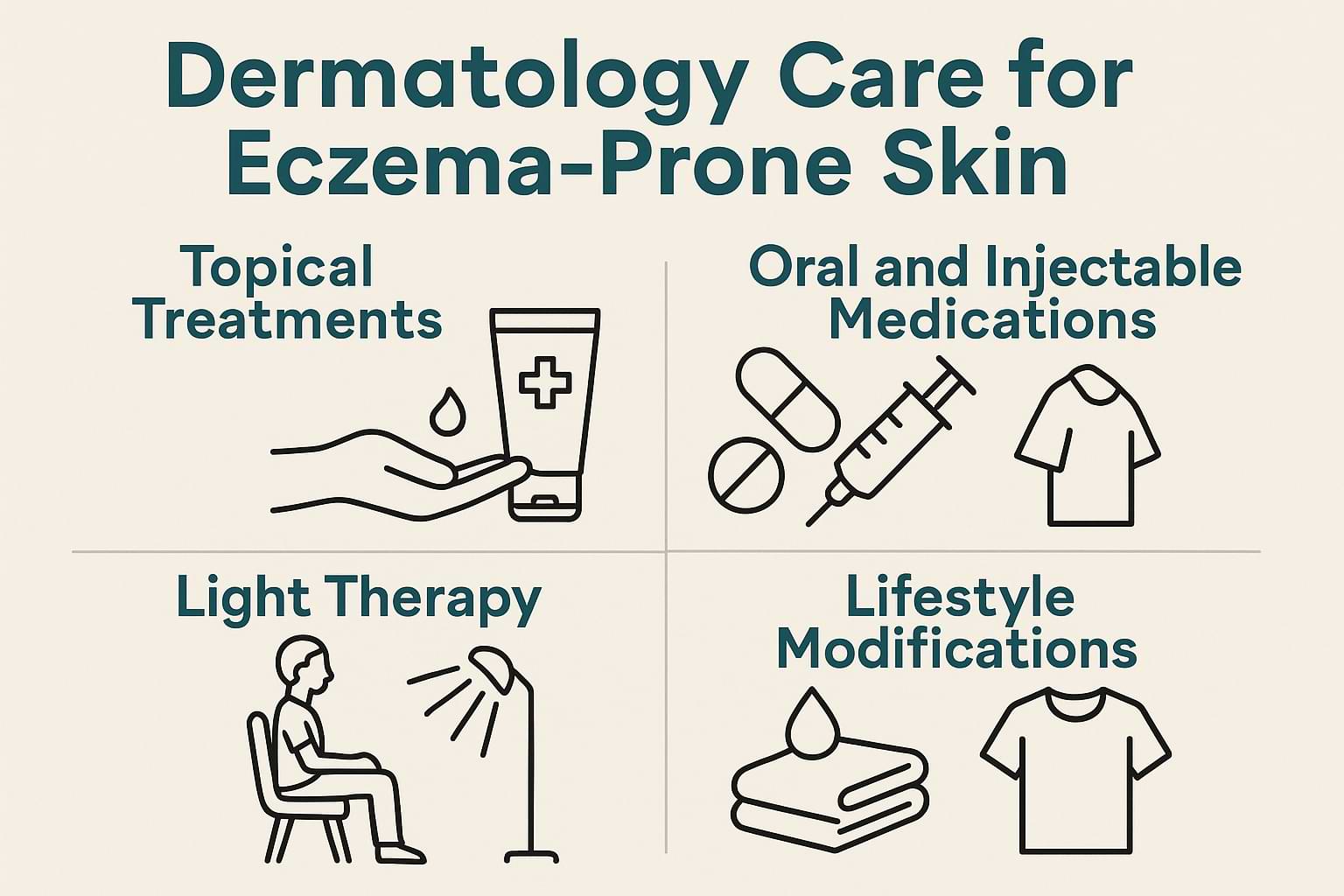
Effective eczema management typically involves a combination of medical treatments, skincare routines, and lifestyle adjustments.
- Topical Treatments – Creams and ointments are the first line of defense. Corticosteroids reduce inflammation during flare-ups, while calcineurin inhibitors manage inflammation without long-term steroid side effects. Moisturizers and emollients help maintain hydration and strengthen the skin barrier.
- Oral and Injectable Medications – For severe or persistent eczema, dermatologists may prescribe oral medications or biologic injections that regulate immune responses and prevent inflammation.
- Light Therapy – Controlled exposure to ultraviolet light reduces inflammation and itching, typically recommended for moderate to severe cases.
- Lifestyle Modifications – Fragrance-free skincare, soft breathable fabrics, avoiding long hot showers, managing stress, and maintaining indoor humidity all contribute to healthier skin and reduced flare-ups.
The Importance of Early Intervention
Addressing eczema promptly prevents chronic inflammation and skin damage. Frequent scratching can compromise the skin barrier, increasing the risk of infection and long-term thickening or scarring. Early intervention by a skilled dermatologist helps control symptoms quickly and reduces the likelihood of complications over time.
Managing Eczema Across Age Groups
Eczema affects individuals differently depending on age. In children, early management supports better sleep, comfort, and confidence. Parents should work closely with dermatologists to establish gentle skincare routines. Adults may experience flare-ups triggered by stress, hormonal changes, or environmental factors. Personalized treatment plans, combining medical therapy and lifestyle guidance, help adults maintain control over their skin health.
The Role of Diet and Immune Health
While no single diet cures eczema, nutrition can influence the frequency and severity of flare-ups. Reducing processed foods, dairy, or high-sugar items may benefit some patients, while omega-3 fatty acids from fish and flaxseed support healthy skin. Maintaining gut health through probiotics and a balanced diet also strengthens immune responses, helping the body react appropriately to triggers.
Restoring Comfort and Confidence Through Expert Care
Eczema management requires consistent care, guidance, and support from dermatologists who understand the complexities of the condition. With tailored treatment plans, patients can achieve symptom relief, prevent flare-ups, and regain comfort in their daily lives. Expert dermatology care focuses not only on improving skin health but also on restoring confidence and overall well-being.
Commonly Asked Questions
Is eczema contagious?
No, eczema is not contagious. It is a chronic inflammatory condition influenced by genetics, environmental factors, and immune system reactions.
How often should I apply moisturizers for eczema-prone skin?
Applying moisturizers two to three times daily, especially after bathing, helps maintain hydration and strengthens the skin barrier.
Can stress trigger eczema flare-ups?
Yes, stress is a known trigger. Managing stress through relaxation techniques, mindfulness, or exercise can reduce flare frequency.
Will eczema ever completely go away?
Eczema cannot be permanently cured, but consistent treatment and lifestyle management can effectively control symptoms and reduce flare-ups.
Can diet influence eczema symptoms?
Certain foods may worsen inflammation in some individuals. Identifying triggers and maintaining a balanced diet can support skin health and reduce flare-ups.
Next Steps
If you or your child is struggling with eczema, consider scheduling a consultation with an eczema dermatologist Singapore offers. A personalized assessment and treatment plan can help manage flare-ups, restore skin health, and improve overall comfort and confidence in daily life.