
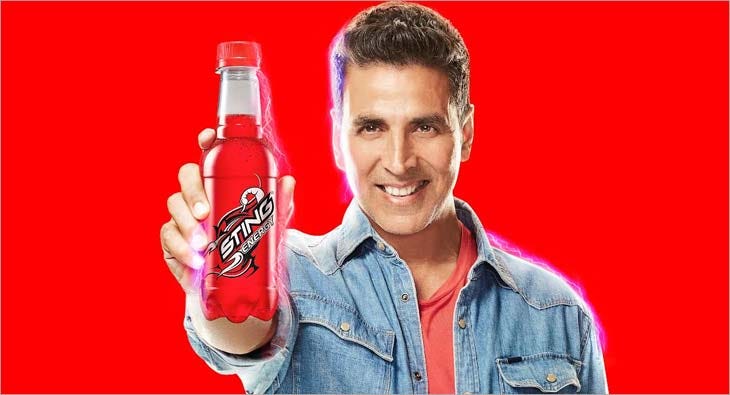
When Sting entered India, the energy drink market was small, expensive, and dominated by premium brands like Red Bull. Energy drinks were considered luxury items, mostly found in malls, airports, and high-end outlets.
Sting changed the category completely. It democratized energy drinks and became the first brand available in every gali, kirana shop, college canteen, and even highway tea stalls across India.
Below is the unique strategy that turned Sting into a mass-market blockbuster.
Radical Pricing Strategy
Energy drinks were priced between ₹100 and ₹150. Sting broke the pattern by launching at ₹20 for a 200 ml bottle.
Benefits of this strategy:
-
Price-sensitive youth tried it instantly
-
Small shopkeepers stocked it easily because of low risk
-
Low MRP encouraged impulse buying
-
Affordable pricing helped reach small towns and villages
This single move created a new segment: Mass Energy Drink.
200 ml Mini Pack for Maximum Penetration
Sting’s small 200 ml bottle was another breakthrough. It was easy to store, easy to carry, and easy to drink.
Advantages of the mini pack:
-
Fits even in small fridges
-
Retailers could stock 10–20 bottles without investment fear
-
Perfect for quick consumption and trial
-
Convenient for young, on-the-go consumers
This made Sting suitable for kirana shops, roadside tea stalls, canteens, stationery stores near colleges, petrol pumps, and highway Dhabas.
Silent Build-Up Strategy (2017–2020)
Unlike most brands, Sting did not launch with heavy advertising.
PepsiCo quietly rolled it out across markets through its existing distribution network.
Key outcomes:
-
Curiosity-driven word-of-mouth
-
Students, workers, and gamers adopted it early
-
Built a cult following without big ad spend
-
Strong foundation in Tier 1, Tier 2, and Tier 3 cities
This slow, steady build-up created a strong base before the big campaigns.
PepsiCo’s Strong Distribution Network
PepsiCo already owned one of the largest beverage distribution systems in India.
Their advantage included:
-
Millions of fridges in kirana shops
-
A supply chain reaching remote towns and villages
-
Daily delivery routes
-
Strong relationships with retailers
Sting was added to the same trucks and refrigerators used for Pepsi, Mirinda, and Mountain Dew.
Retailers stocked Sting because it offered:
-
Low MRP
-
High demand
-
Quick turnover
-
Good margins with almost zero risk
This powerful distribution made Sting available “everywhere.”
Fun and Over-the-Top Advertising (Post 2021)
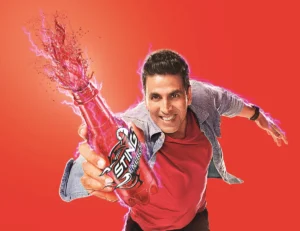
After establishing distribution, Sting launched fun, high-energy ads featuring Akshay Kumar.
These ads were:
-
Exaggerated
-
Humorous
-
Quick and energetic
-
Meme-friendly
Popular taglines included:
-
“Energy ka bas ek king, Sting.”
-
“Energy bole toh Sting.”
These went viral on YouTube Shorts, Instagram Reels, college groups, and WhatsApp, giving Sting a “cool” image that connected with the youth.
Perfect Target Audience Fit
Sting targeted consumers who needed quick, affordable energy:
-
Students studying late
-
Gamers
-
Delivery boys
-
Auto drivers
-
Office workers
-
College students
This audience exists everywhere—metros, small towns, and villages.
The sharp berry-citrus taste appealed strongly to the Indian palate.
Non-Elitist and Relatable Identity
Red Bull created a premium, lifestyle-driven image.
Sting positioned itself as desi, fun, bold, and accessible.
Consumers felt:
“Yeh humare type ka energy drink hai.”
This relatability helped Sting travel deep into India, beyond just urban centres.
Strong Shelf Visibility
The bright red bottle made Sting instantly noticeable.
Benefits of the design:
-
Stands out in crowded fridges
-
Easy for buyers to spot quickly
-
Improves impulse purchases
Small kirana shops especially benefited from this high visibility.
High Repeat Purchase Rate
Once consumers tried Sting, they came back because:
-
The taste was strong
-
The energy kick was quick
-
It was affordable
This led to daily or weekly repeat purchases, increasing retailer confidence and stocking frequency.
Expansion Through Multiple Variants
After establishing itself, Sting introduced:
-
250 ml cans
-
1-litre bottles (limited markets)
-
Gold variants
These additions strengthened shelf presence while keeping the ₹20 bottle as the mass hero product.
Ingredients List of Sting Energy Drink
Sting contains a combination of stimulants, sugars, acids, and vitamins designed to give an instant energy boost. The typical ingredient list includes:
-
Carbonated water
-
Sugar
-
Acidity regulators (Citric Acid, Sodium Citrate)
-
Caffeine
-
Taurine
-
Inositol
-
B-Vitamins (Niacinamide, Vitamin B6)
-
Preservatives
-
Artificial flavors
-
Food colors (Red/Gold, depending on variant)
These ingredients help provide quick alertness and a strong taste profile that appeals to Indian consumers.
Side Effects of Sting Energy Drink
Sting is safe when consumed in moderation, but excess intake can cause several side effects due to its caffeine and sugar content.
Common Side Effects
-
Restlessness or jitteriness
-
Increased heart rate
-
Trouble sleeping (insomnia)
-
Headache
-
Nervousness
-
Dehydration
-
Temporary energy crash after the effect wears off
Who Should Avoid Excessive Consumption
-
Children
-
Pregnant or breastfeeding women
-
People with heart conditions
-
Those sensitive to caffeine
-
Diabetics (due to high sugar content)
Moderation is key—1 bottle occasionally is fine for most adults, but regular overuse may cause health issues.
Summary:
Sting succeeded because of a combination of smart strategies:
-
Ultra-low MRP of ₹20
-
200 ml mini pack for easy stocking
-
Distribution-first growth
-
Usage of PepsiCo’s supply chain
-
Youth-driven taste and strong kick
-
Viral, meme-friendly advertising
-
Mass-market identity
-
High retailer margin and rapid turnover
Sting didn’t just enter the energy drink market—it transformed it. It created a new segment in India: Affordable Mass Energy Drink, becoming available in every kirana, canteen, and town across the country.
Frequently Asked Questions (FAQ)
1. Is Sting Energy Drink good or bad?
Sting is safe to consume in moderation. It provides a quick boost of energy due to caffeine, taurine, and B-vitamins. However, drinking too much can cause side effects like restlessness, rapid heartbeat, or trouble sleeping. People sensitive to caffeine, children, pregnant women, or those with medical conditions should avoid excessive intake.
2. How many flavours does Sting have?
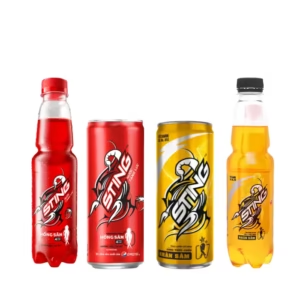
In India, Sting is available in two main flavours:
-
Sting Berry Blast (Red)
-
Sting Gold Rush (Yellow/Gold)
Globally, other flavours exist in selected markets, but these two are the primary variants in India.
3. What is the tagline of Sting?
Sting has used multiple taglines over the years, including:
-
“Energy ka bas ek king, Sting.”
-
“Energy bole toh Sting.”
-
“Electrifying Taste, Instant Charge.”
4. Which country brand is Sting?
Sting is originally an American brand, created and owned globally by PepsiCo, a US-based multinational company.
5. What is the parent company name of Sting?
The parent company of Sting is PepsiCo, one of the world’s largest food and beverage corporations.
Keep Reading
- Best Ad Campaigns of All Time — A broader look at the campaigns that reshaped entire product categories, similar to what Sting did for energy drinks.
- Ballantine’s Soda “Stay True” Campaign — A different category, same authenticity-first marketing playbook, this time from a whisky-soda brand rather than an energy drink.
- Bru Gold Ad Featuring Aditya Roy Kapur and Sara Ali Khan — Another beverage brand’s approach to celebrity-led storytelling, worth comparing against Sting’s mass-market, distribution-first strategy.
- AU Small Finance Bank’s Latest Brand Campaign 2025 — A different sector, but another example of a brand building relatability into its core positioning.