
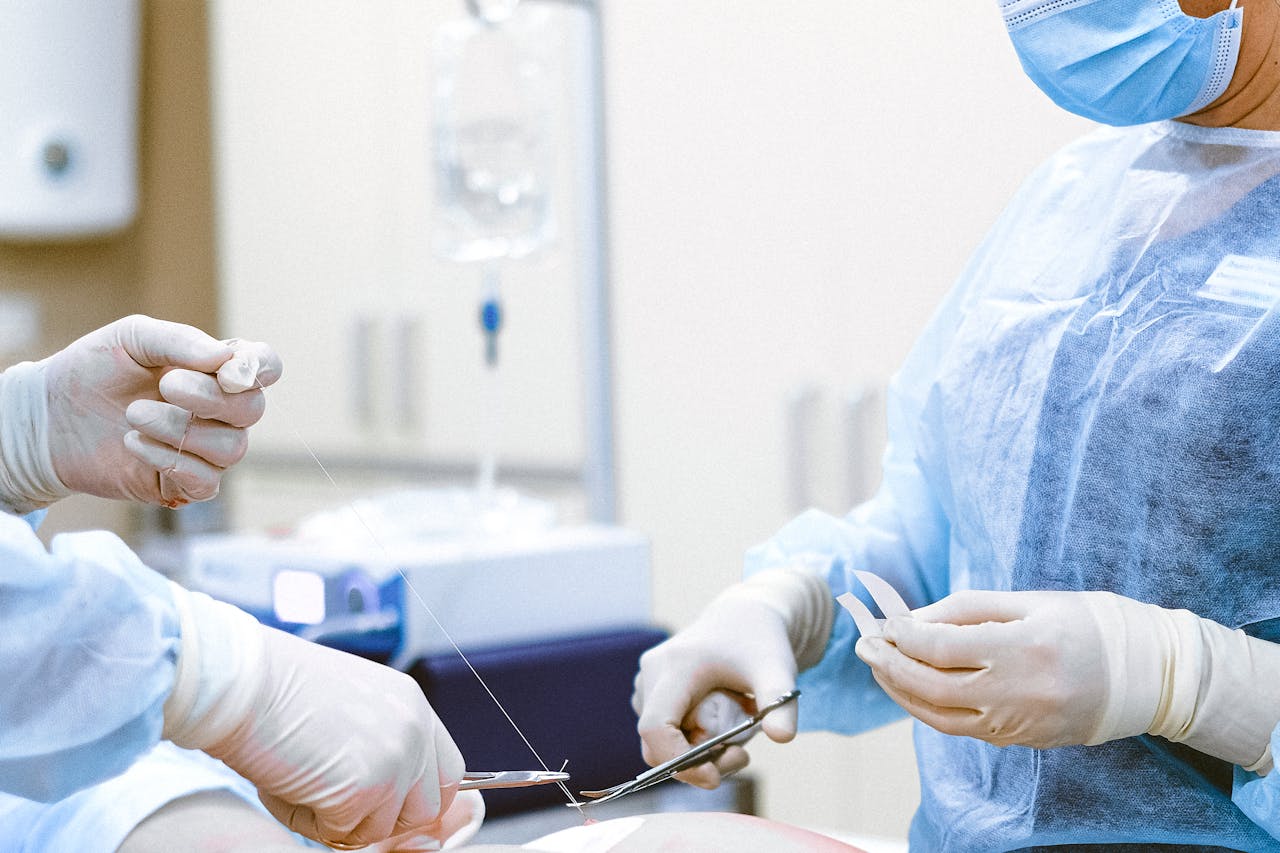
Endocrine disorders can have a significant impact on overall health, affecting hormone balance and organ function. Conditions such as thyroid nodules, adrenal tumors, and parathyroid disorders often require specialized care to ensure both safety and long-term health outcomes. Patients seeking treatment are increasingly focused on finding surgeons who offer not only medical expertise but also personalized, patient-centered care. Understanding the options, risks, and benefits of endocrine surgery is essential for anyone considering treatment.
Understanding Endocrine Surgery and Its Importance
The field of endocrine surgery focuses on treating disorders of hormone-producing glands. The thyroid, parathyroid, adrenal glands, and certain parts of the pancreas are all part of the endocrine system. Surgical intervention is often necessary when tumors, nodules, or other abnormalities interfere with hormone production or cause structural problems.
Finding the best endocrine surgeon Singapore offers is critical to ensure precise, safe, and effective treatment. These surgeons combine extensive medical knowledge with advanced surgical techniques to address complex conditions while minimizing risks. Personalized consultations and comprehensive evaluations are essential for tailoring surgical plans to each patient’s needs.
How Endocrine Disorders Affect Health
Endocrine disorders can have widespread effects on the body. For example, thyroid conditions may lead to fatigue, weight changes, and cardiovascular issues, while adrenal disorders can impact blood pressure, metabolism, and stress response. Parathyroid abnormalities may result in calcium imbalances, leading to bone and kidney problems.
The impact of these disorders extends beyond physical health. Patients often experience anxiety, stress, and reduced quality of life due to the uncertainty and complications associated with endocrine conditions. Prompt evaluation and treatment by a skilled endocrine surgeon can restore balance and improve overall well-being.
Types of Endocrine Surgeries
Endocrine surgery encompasses a range of procedures, each addressing specific glands or conditions:
- Thyroidectomy – Removal of part or all of the thyroid gland to treat nodules, goiter, or cancer.
- Parathyroid Surgery – Corrects overactive parathyroid glands that cause hypercalcemia and related complications.
- Adrenalectomy – Removes adrenal tumors, often due to hormone overproduction or malignancy.
- Pancreatic Endocrine Surgery – Targets tumors in the pancreas that affect insulin or other hormone production.
Selecting the appropriate procedure requires careful evaluation by an experienced endocrine surgeon. Many cases benefit from minimally invasive techniques that reduce recovery time and scarring while maintaining effectiveness.
How Surgeons Assess Patients
A thorough preoperative assessment is critical for successful outcomes. Endocrine surgeons evaluate patient history, lab results, imaging studies, and overall health. Discussions about symptoms, lifestyle, and treatment goals help surgeons develop individualized surgical plans.
Advanced imaging and diagnostic techniques enable precise mapping of glandular abnormalities, ensuring targeted interventions. Personalized care ensures that patients receive treatment tailored to both their medical needs and personal preferences.
Treatment Options and Approaches
Endocrine surgery can be performed using several techniques depending on the condition and patient profile:
- Minimally Invasive Surgery – Utilizes smaller incisions, reducing recovery time and postoperative discomfort.
- Robotic or Endoscopic Surgery – Offers enhanced precision, visualization, and reduced risk of complications.
- Traditional Open Surgery – Necessary in complex or extensive cases where access and visibility are critical.
- Adjunct Medical Management – Pre- and post-surgical medications may be used to stabilize hormone levels or support recovery.
Collaboration between surgeons, endocrinologists, and other specialists ensures comprehensive care and optimal outcomes.
Lifestyle and Postoperative Considerations
Recovery and long-term success depend on both medical follow-up and lifestyle factors. Patients are advised to:
- Follow prescribed medications and hormone replacement protocols.
- Attend regular follow-up appointments for monitoring hormone levels.
- Maintain a balanced diet rich in essential nutrients to support healing and metabolic function.
- Avoid excessive stress and prioritize sleep to facilitate recovery.
Education and guidance from healthcare professionals help patients actively participate in their own care, enhancing long-term results.
Why Choosing the Right Surgeon Matters
Selecting the best endocrine surgeon Singapore provides is crucial for achieving successful outcomes. Experienced surgeons reduce the risk of complications, ensure precise removal of abnormal tissue, and provide guidance throughout the entire treatment process. Early consultation and expert intervention can prevent progression of endocrine disorders and improve quality of life.
Managing Treatments Across Age Groups
Endocrine disorders affect patients of all ages. Younger patients may require surgery for congenital or developmental glandular issues, while older adults often face tumors or age-related gland dysfunction. Surgeons customize treatment plans based on age, overall health, and specific endocrine conditions to ensure safe and effective care for every patient.
The Role of Overall Health in Surgical Success
Optimal surgical outcomes are influenced by overall health and lifestyle. Maintaining a healthy weight, controlling blood pressure, and managing chronic conditions can improve recovery and reduce surgical risks. Patients who follow preoperative and postoperative recommendations tend to experience smoother recoveries and better long-term results.
Achieving Health and Confidence Through Expert Care
Endocrine surgery performed by skilled, patient-centered surgeons allows individuals to address complex hormonal conditions safely and effectively. Through personalized planning, advanced techniques, and supportive care, patients can restore hormone balance, alleviate symptoms, and regain confidence in their health. Expert care ensures that each treatment is tailored to the patient’s needs, delivering outcomes that are both safe and sustainable.
Commonly Asked Questions
What conditions require endocrine surgery?
Endocrine surgery may be necessary for thyroid nodules, adrenal tumors, parathyroid disorders, and certain pancreatic tumors that affect hormone production or gland structure.
How long is recovery after endocrine surgery?
Recovery varies by procedure type and patient health. Minimally invasive surgeries generally require shorter recovery times, while more extensive procedures may take several weeks for full healing.
Are endocrine surgeries risky?
While all surgeries carry some risk, experienced endocrine surgeons minimize complications through careful planning, advanced techniques, and close monitoring before and after surgery.
How can I find the best endocrine surgeon Singapore offers?
Researching credentials, experience, patient reviews, and clinic facilities helps identify qualified surgeons. Scheduling a consultation allows assessment of expertise and approach to patient care.
Will I need medication after surgery?
Depending on the type of surgery and gland affected, patients may require hormone replacement or supportive medications. Surgeons provide guidance tailored to individual needs.
Next Steps
If you are considering endocrine surgery, schedule a consultation with a qualified surgeon to discuss your condition, explore treatment options, and create a personalized care plan. With expert guidance, patient-centered support, and a focus on long-term health, endocrine surgical treatment can provide safe, effective, and lasting results.